Seadrill Case Study

Blog
Effective Surveillance Upgrades for Vessels and Fleets
Published:
April 2026
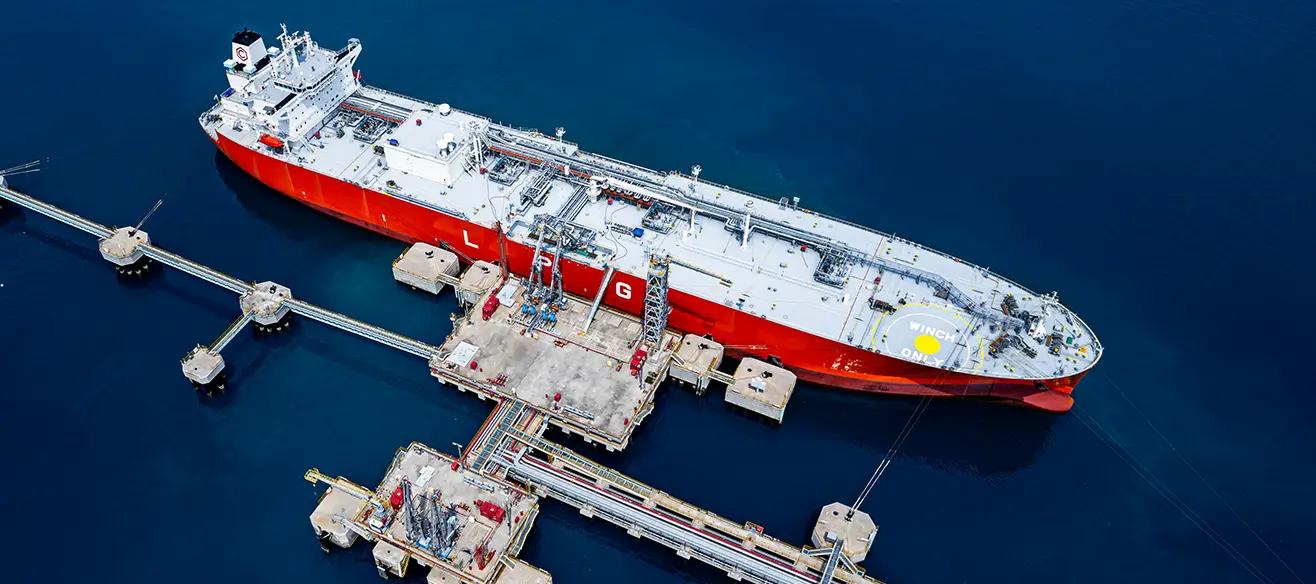
Upgrading video management systems on ageing or repurposed vessels improves safety, security, and operational efficiency. This blog explores the most cost-effective maritime video system upgrades for maximum impact.
Updating the video management system on ageing or repurposed vessels can help improve safety, security and efficiency – ultimately ensuring their continued operation in a modern maritime environment. This blog explores how to achieve this cost-effectively, focusing on upgrades that will have the greatest impact.
Transition to an IP-based platform
The most effective first step is to transition to an open architecture, IP-based video management system (VMS).
This enables you to integrate multiple onboard systems and view navigation, communications, monitoring, access control, and fire detection through a single, unified VMS. Importantly, fleet operators can transition from their existing analogue CCTV infrastructure in line with operational needs and budget.
This transition also increases cyber resilience, a growing necessity in the maritime industry. Many older systems run on outdated software and no longer receive critical updates, leaving them unsupported and vulnerable to attack.
“With ship systems being increasingly interconnected with the outside world, cyber attacks on Operational Technology (OT) are likely to have a bigger impact in the future.”
Svante Einarsson, Head of Maritime Cyber Security Advisory at DNV
Strengthen safety with marine-grade cameras
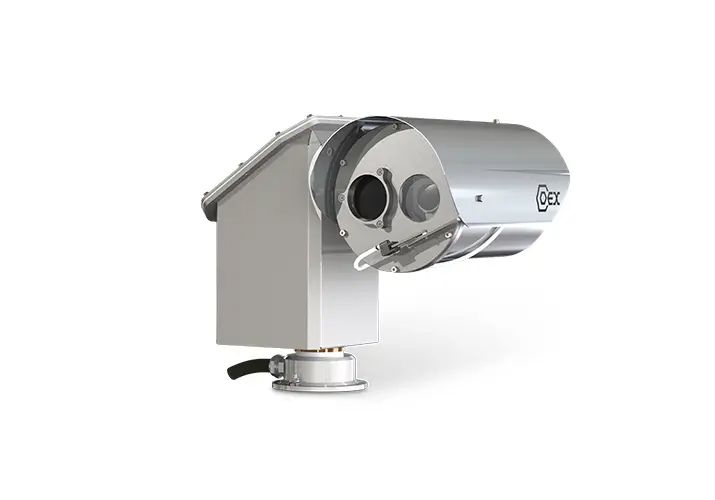
In operations involving hazardous environments, certification to international standards is crucial. For non-hazardous areas, choose marine-rated cameras to ensure reliable coverage in harsh conditions.
Upgrading to the latest IP cameras, capable of edge-based AI analytics and 4K imaging, provides an additional layer of technological enhancement.
It’s worth noting that a single 4K camera can often cover areas that would previously have required multiple analogue cameras, delivering a positive cost benefit.
Reduce risk and resource pressures with at-sea analytics
By integrating onboard system data and AI-based video analytics into a single system, you can improve safety, security, and day-to-day operational efficiency.
This approach is especially valuable on vessels with smaller crews, as it reduces reliance on human resources and ensures that any issues are identified in real time, enabling quicker, compliant and consistent responses.
For example:
- Drill ships: Detect anomalies in critical drilling operations, such as pressure changes, equipment overheating, or unauthorised access to the drill floor, while integrating with drill chairs to provide operators with real-time, in-context insights for faster, safer decision-making.
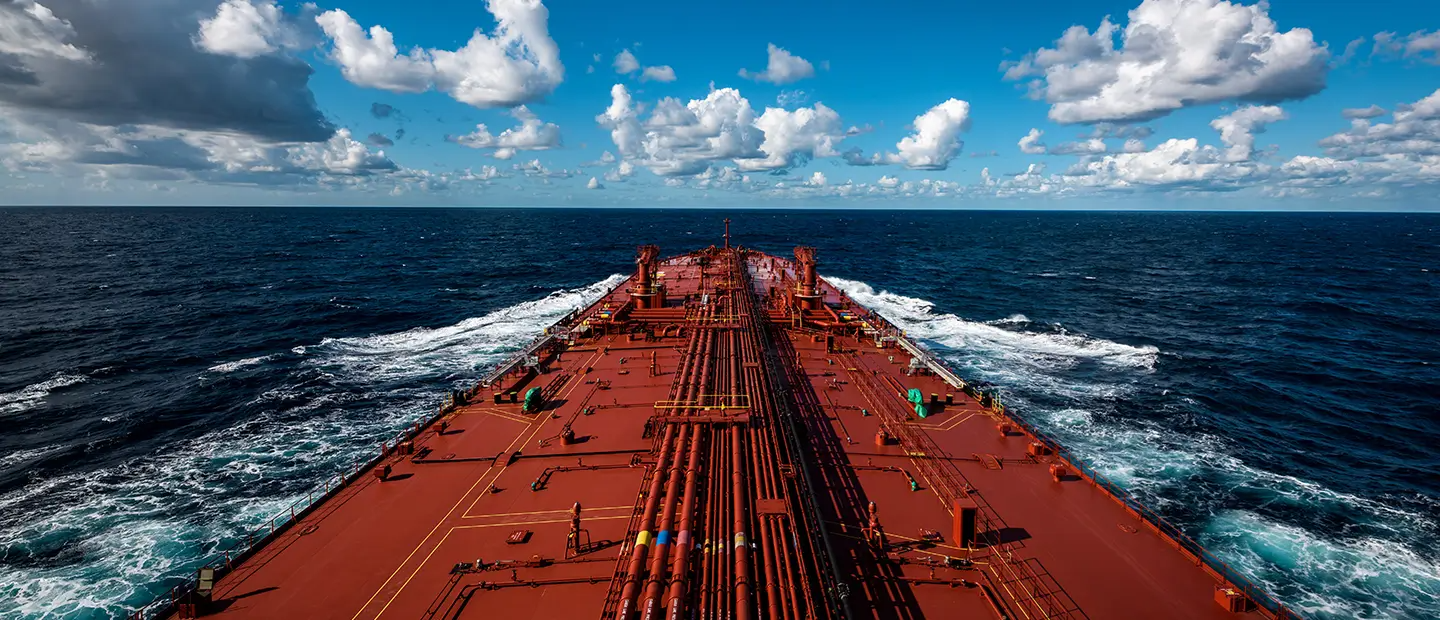
- Oil, Gas, LNG, and LPG vessels: Spot signs of equipment degradation (hot spots), intrusions into hazardous process zones, and breaches of safety protocols.
- Container vessels: Strengthen cargo security by detecting tampering, intrusions into restricted areas, and verifying storage conditions.
DID YOU KNOW
Machinery damage or failure accounted for 60% of all maritime casualty incidents in 2024¹.
Use solutions that keep crews responsive and fleets connected
Automated instructions based on real-time data and analytics will help ensure incidents are not missed, and the right people are alerted at the right time.
For example, the system detects a problem, from rising temperature in an engine room to a hazard on deck. Notifications can be sent using mobile solutions to alert the relevant crew, support services, or engineers. This immediately alerts qualified personnel to the issue, reducing response time and ensuring that when a human touch is needed, it happens quickly.
You can also ensure people off-vessel stay informed. Remote access provides fleet operators and shore-based teams with a clear view of vessel activity, giving them access to live and historical data.
This standardises incident review, informed decision-making, and reporting across the fleet, allowing specialist expertise and support to be actioned swiftly without the need for additional permanent headcount onboard.
¹ https://www.dnv.com/news/2025/Ageing-fleet-drives-surge-in-maritime-incidents/

Surveillance Upgrades for Oil & Gas Operators
This guide looks at why upgrading security and surveillance has become a critical issue for many oil and gas operators and the cost-effective ways to modernise your operations.
Download eBook