
Blog
Hazardous-Area Cameras: When to Use Them and Features to Look Out For
Published:
June 2026
Author:
Ross Chapman, International Business Development Manager - Energy
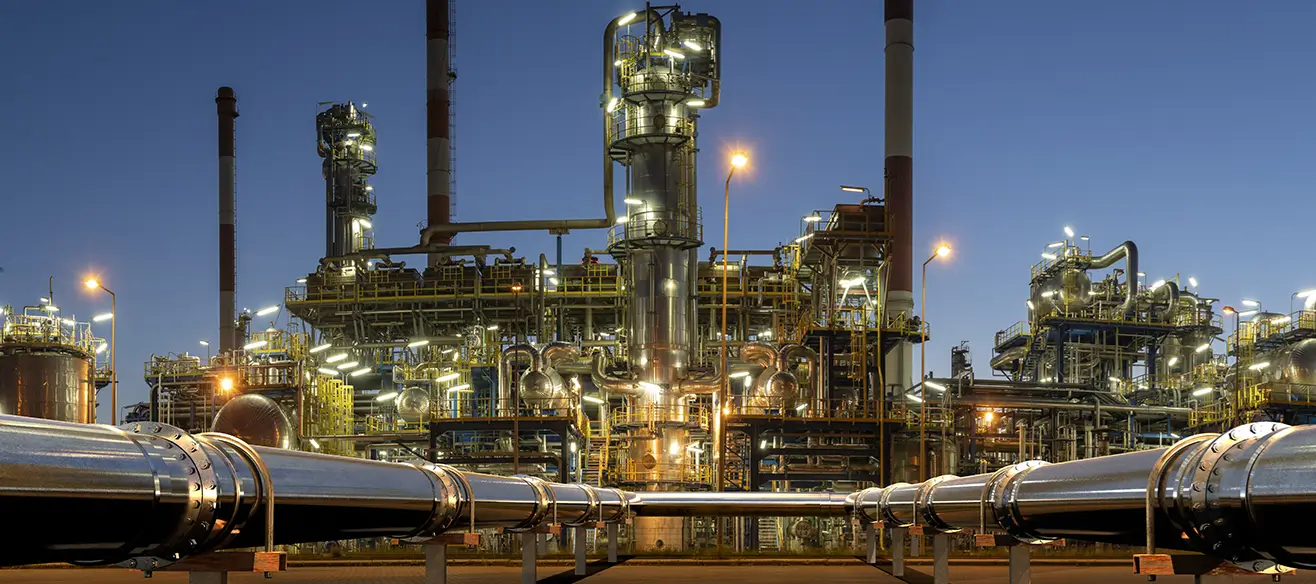
What you need to know about hazardous-area cameras for safe surveillance of high-risk areas and critical zones.
- Hazardous-area cameras are surveillance cameras designed for environments where gases, dusts, fibres or vapours create a risk of fire or explosion.
- Hazardous areas are classified according to the type and likelihood of explosive risk present.
- Unlike standard cameras, hazardous-area cameras are engineered to avoid becoming an ignition source themselves.
- Certifications such as IECEx, ATEX, CSA and CSAus are essential considerations when selecting cameras for hazardous locations.
- This blog explains the key features to look for in hazardous-area cameras based on your site's operating conditions and risk profile.
What is a hazardous-area camera?
Hazardous-area cameras (sometimes called explosion-proof cameras or hazloc cameras) are surveillance cameras designed for environments where gases, dusts, vapours or fibres create a risk of fire or explosion. Unlike conventional cameras, they are designed not only to withstand harsh environments but also to avoid becoming an ignition source themselves.
Typically built from durable materials such as stainless steel and tempered, pressure-resistant glass, hazardous-area cameras are designed with components that reduce the risk of electrical sparks and with housings that prevent the ingress of ignitable gases or particles. This makes them a much safer choice for monitoring assets, processes and physical areas located in hazardous environments.
Where are hazardous-area cameras used?
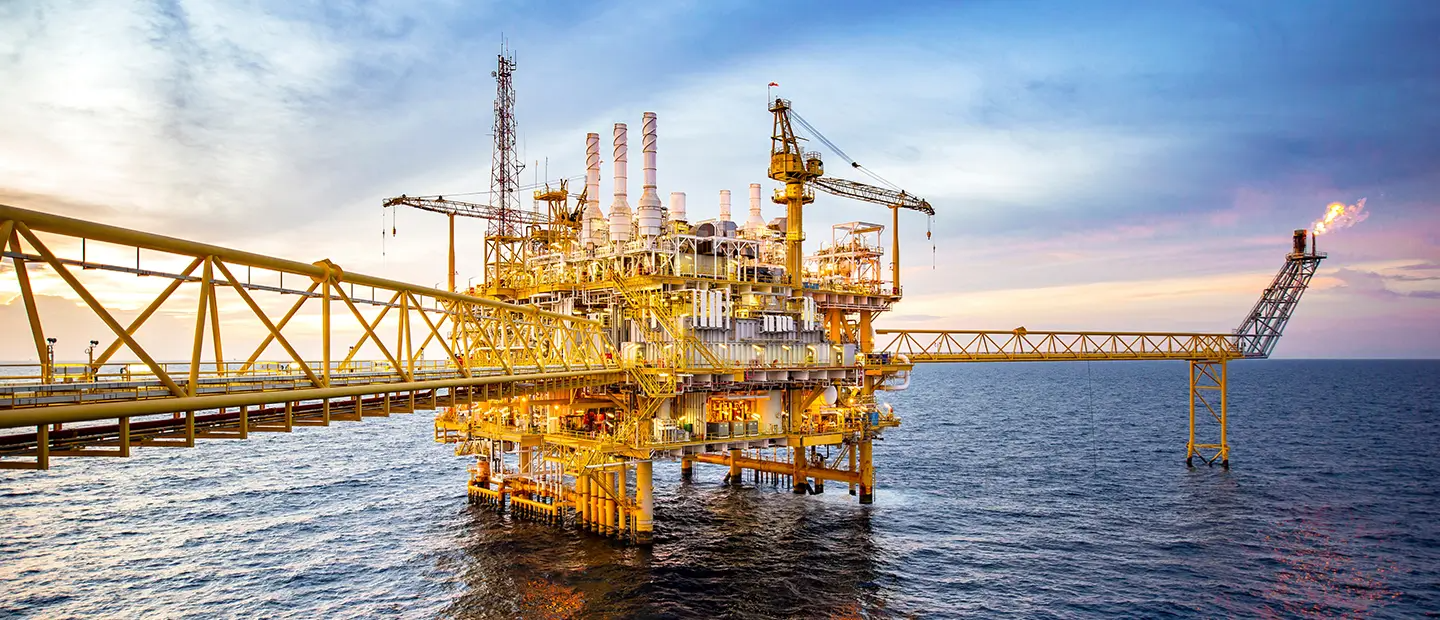
Oil and gas facilities (both onshore and offshore), energy infrastructure settings, and chemical processing plants are among the most familiar environments requiring hazardous-area surveillance. However, hazardous areas are found across a much wider range of heavy industries.
Many food processing environments, for instance, contain highly flammable materials such as flour or sugar dust. Grain handling and storage operations can face combustible dust build-up, while biofuel facilities may experience gas accumulation risks. Textile and cotton processing sites can also require hazardous-area equipment due to airborne fibres and particles.
These environments are typically classified by the type of risk present and the likelihood of an explosive atmosphere under normal or atypical operating conditions.
Hazardous areas are further categorised by the frequency and duration of the explosive environment, with differentiation also made between gas and dust/fibre ignition risks.
| Gas | Dust | Fibre | |
| Example Risk | Carbon dioxide, methane, petroleum vapours, solvent fumes | Grain, flour, sugar – any Example risk Carbon dioxide, methane, petroleum vapours, solvent fumes, pulverised material suspended in the atmosphere | Textiles, sawdust – any area where fibres are not suspended in air but are present |
| Example site/facility | Oil and gas plants, chemical processing, biomass containers, gas storage, spray finishing areas | Food processing plants, refineries, biomass containers, grain storage containers | Sawmills, cotton mills, textile recycling facilities |
| Class type | I | II | III |
| Division 1 | The hazard identified is expected to be present as part of everyday operations | ||
| Division 2 | The hazard identified is possible under abnormal conditions | ||
It is worth noting that categorisations can be made by Class/Division (CSA/CSAus) or Zone (IECEx, ATEX), depending on the geography and corresponding industry standard.
| Gas | Dust | |
| Division 1 | The hazard identified is expected to be present as part of everyday operations. | Zone 0 (Gas) Zone 20 (Dust/Fibre) |
| Zone 1 (Gas) Zone 21 (Dust/Fibre) | ||
| Division 2 | The hazard identified is possible under abnormal conditions. | Zone 2 (Gas) Zone 22 (Dust/Fibre) |
What certifications should hazardous-area cameras have?
If your site includes hazardous areas, your surveillance cameras must be tested and certified to the safety standards applicable to your geography and operating environment.
Among the most widely recognised hazardous-area certification schemes are IECEx, ATEX, CSA and CSAus. These standards help verify that equipment is suitable for use in environments where explosive atmospheres may be present.
However, certification should be treated as a minimum requirement rather than the sole selection criterion. It is also important to consider the specific operating conditions on your site.
For example, facilities operating in desert or arid environments may benefit from cameras capable of maintaining full performance at +70°C. Elsewhere, factors such as moisture, salt, vapour, dust accumulation or condensation may influence the most suitable camera choice.
What other features are essential for hazardous-area cameras?
Certification and environmental suitability are fundamental, but smaller design details can also significantly improve surveillance performance in hazardous environments.
For example, a robust integrated wiper can mean the difference between a clear view of critical assets or processes and an obscured image affected by vapour, dust or particle build-up.
Integral heaters and demisters can also be highly valuable, helping to prevent fogging and condensation that may otherwise compromise visibility and monitoring effectiveness.
Depending on the operating environment, other considerations may include temperature tolerance, low-light performance, thermal-imaging capability, and image-resolution requirements.
Do hazardous-area cameras support HD, 4K, thermal imaging and analytics?
Yes. While hazardous-area cameras are typically associated with process monitoring applications, where low-light performance or thermal imaging may be a priority, they are certainly not limited to lower-resolution image capture.
Many hazardous-area cameras offer HD and 4K imaging capabilities for applications where fine visual detail is important, whether for monitoring critical assets, processes or physical areas. It is also possible to specify hazardous-area cameras that support edge-based video analytics to enable earlier and even preemptive risk alerts.
It is also worth remembering that while conventional high-resolution cameras may sometimes appear to be a lower-cost option, they are not designed or certified for use in hazardous zones and may not meet applicable regulatory requirements.

Protection in the Toughest Conditions
With features like HD and 4K video, thermal imaging, and hazardous-area certifications, COEX represents the cutting-edge surveillance technology designed to excel in the most challenging environments.
Learn More